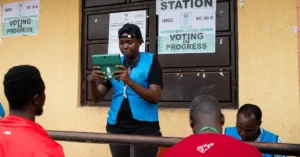
Police Officer from Kano State Command Caught on camera Aiding Vote Buying
Our mission is to revive public confidence in Nigeria’s democratic system by working with institutions, communities, and citizens to remove the obstacles that have limited free and fair elections in the past.
Our mission is to revive public confidence in Nigeria’s democratic system by working with institutions, communities, and citizens to remove the obstacles that have limited free and fair elections in the past.
We engage with Nigeria’s responsible institutions, The Independent National Electoral Commission (INEC), political parties, civil society, and international partners, to drive meaningful reform.
Research & Data-Driven Insights
Advocacy & Engagement
Real stories. Real moments.
Voices from the Continent
A visual complement to our data. Field footage, citizen perspectives, and short reports sourced from credible creators and social platforms
Anambra State election drama. 8 November 2025
Police Officer from Kano State Command Caught on camera Aiding Vote Buying
Prof. Nnenna Oti: A True Hero of Democracy: Prof. Nnenna Oti’s Stand for Abia State
Cameroon: Cameroonian Voters Catch Electoral Officer Rigging Votes for Paul Biya
As part of our mission to “Restore Trust and Strengthen Democracy,” the Credible Poll Institute presents this Africa-wide Electoral Integrity Monitor. This interactive tool provides a data-driven overview of democratic health across the continent, offering crucial context for our research and advocacy.
Helping Nigeria Overcome Decades of Electoral Malpractice
About Us
The Credible Poll Institute (CPI) is an independent, non-partisan research and advocacy organization headquartered in Washington DC, United States, with a clear focus on Nigeria’s democratic development.
Founded by Hillary Okoronkwo (Executive Director & Senior Fellow), CPI is committed to helping Nigeria overcome decades of electoral malpractice, voter suppression, opaque funding structures, and systemic weaknesses that undermine the people’s voice.
Peaceful and credible elections are essential to nationhood. A country is more than just a geographical area. As Nigerians, we must continually seek to upgrade from statehood to nationhood to become a community of people with shared identity.
Hillary Okoronkwo (Executive Director & Senior Fellow)
We study global best practices, from the United States to other democracies, and tailor solutions that can help Nigeria hold credible, peaceful, and truly representative elections. Our Mission is To revive public confidence in Nigeria’s democratic system by charitably persuading responsible institutions and authorities to identify and eradicate all the obstacles that have severely limited the nation’s ability to conduct equitable elections in recent times.
Data-Driven Insights
We produce rigorous reports and comparative studies (such as our timeline of Nigeria’s political party evolution) to highlight patterns, expose weaknesses, and recommend reforms.
We engage with Nigeria’s responsible institutions—the Independent National Electoral Commission (INEC), political parties, civil society, and international partners—to drive meaningful reform.
Through campaigns, town halls, and media outreach, we empower citizens to understand their rights, demand accountability, and resist manipulation during elections.
By drawing lessons from mature democracies like the United States, we connect Nigeria’s democratic struggle to broader global practices—adapting proven strategies for transparency, technology use, and voter protection.
Nigeria is the largest democracy in Africa, yet its elections remain plagued by:
Widespread rigging and voter intimidation.
Vote buying and opaque campaign funding.
Weak electoral institutions and inconsistent reforms.
Violence that discourages participation, especially among youth and women.
The Result? A cycle of mistrust, poor governance, and political apathy.
At CPI, we believe Nigerians deserve better. A credible election is not just about winners and losers, it’s about ensuring the will of the people truly counts.
Nigerian Presidential Elections 2027
Our Vision for Nigeria
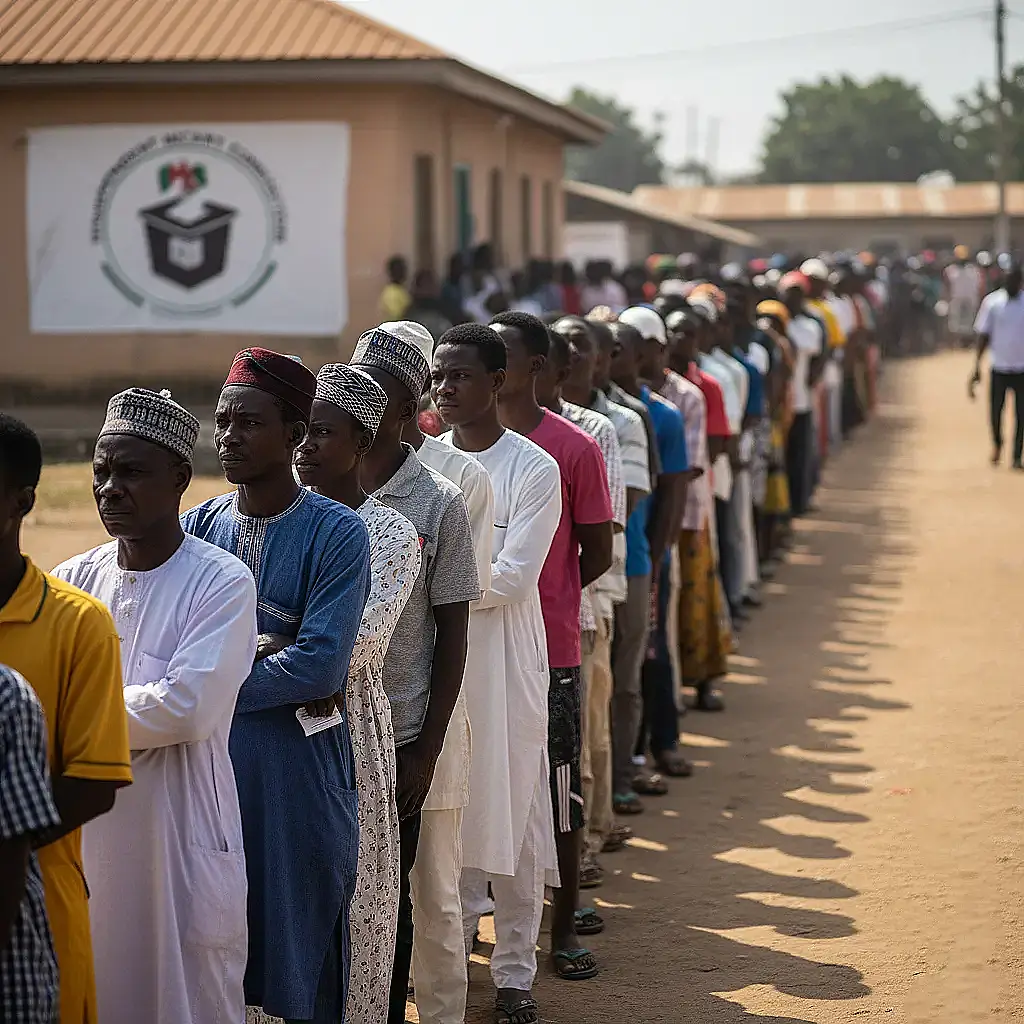
A nation where every Nigerian can walk to the polling booth with confidence, cast their vote without fear, and trust that their choice will be respected.
We envision a Nigeria where democracy is not just a word, but a lived reality, where elections are credible, governments are accountable, and citizens’ voices truly matter.
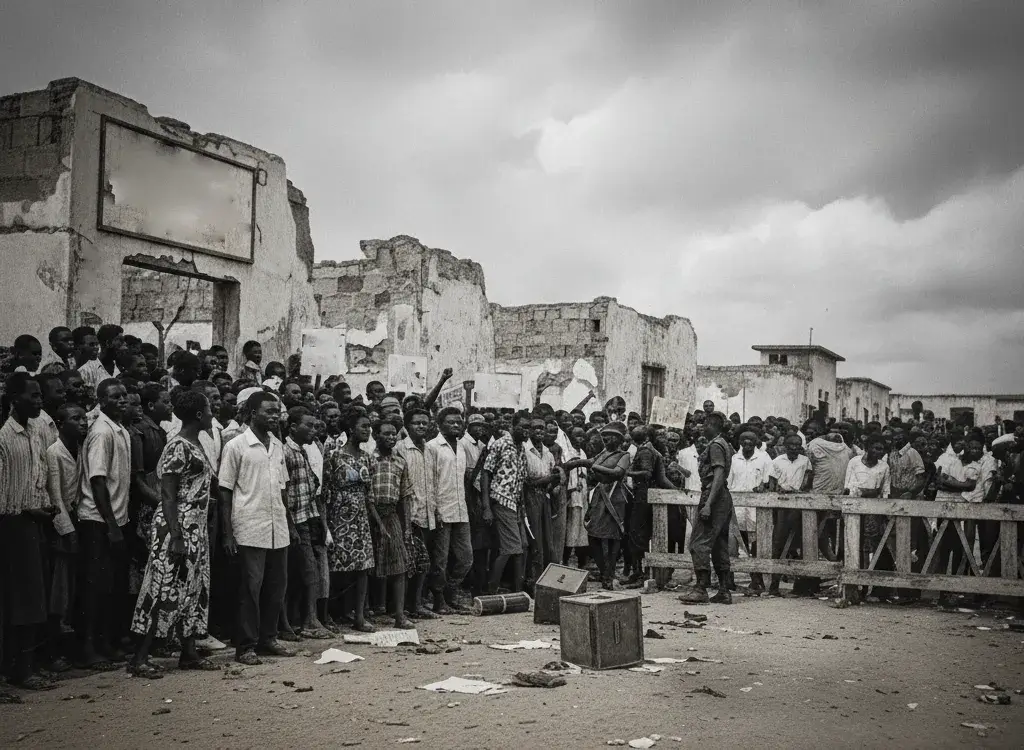
Democracy in Nigeria has always been a story of promise interrupted by betrayal. While the people have consistently turned out with hope, many elections since independence have been marred by manipulation, intimidation, and outright theft of the people’s mandate.
1960–1966
The First Republic
Nigeria’s independence brought hope for genuine representation. But that hope quickly soured.
Regional dominance by the NPC in the North, Action Group in the West, and NCNC in the East created an unstable coalition. Elections were riddled with accusations of vote-rigging and corruption. By 1964, the general election was so chaotic and boycotted in parts of the country that it left the system deeply fractured. This instability paved the way for the first military coup in 1966.
1979–1983
The Second Republic
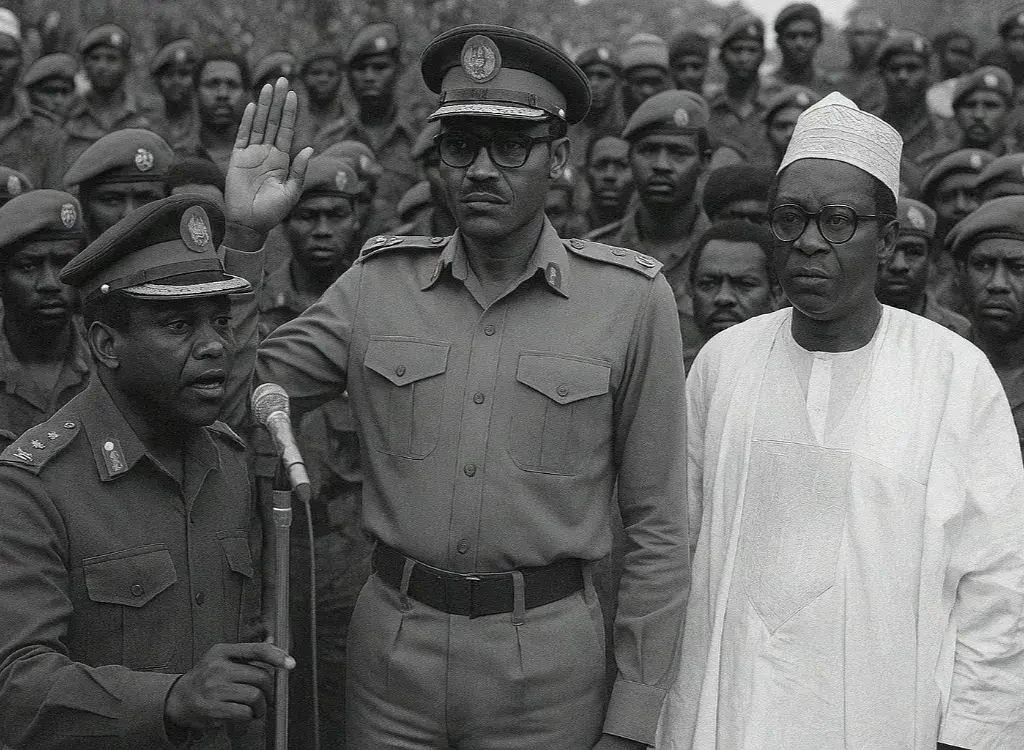
After thirteen years of military rule, Nigerians looked forward to civilian leadership again. Shehu Shagari of the National Party of Nigeria (NPN) became president in 1979. But by the 1983 elections, optimism had turned to anger. The polls were plagued by massive rigging, ballot stuffing, violence, and intimidation. Reports described widespread fraud so glaring that the results lost legitimacy. Public confidence collapsed, and within months, the military struck again—Major General Muhammadu Buhari’s coup ended the Second Republic.
1993
The Aborted Third Republic
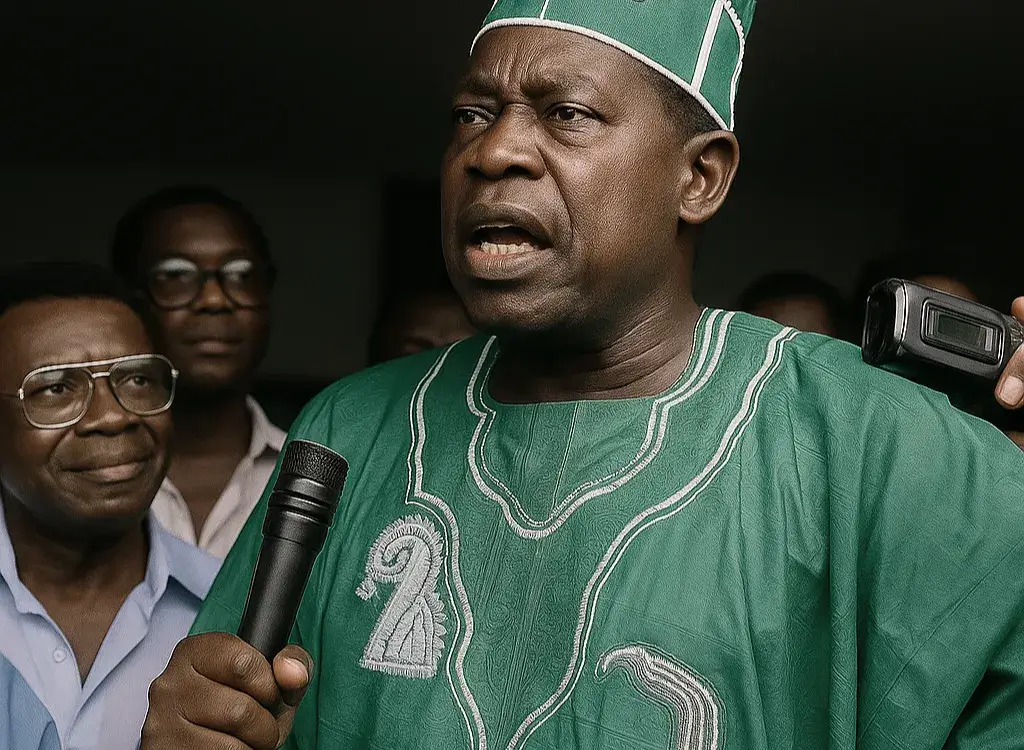
This was supposed to be Nigeria’s rebirth. The June 12, 1993 election, won by Moshood Kashimawo Abiola (MKO Abiola) of the Social Democratic Party, is still hailed as Nigeria’s freest and fairest. Nigerians of every tribe, religion, and region voted in unity. But in a stunning betrayal, the military government annulled the results. The will of the people was denied. Protests, unrest, and repression followed. Abiola was later jailed after declaring himself president and eventually died in detention. This single event remains one of Nigeria’s darkest democratic tragedies.
1999-2015
The Fourth Republic’s False Dawn
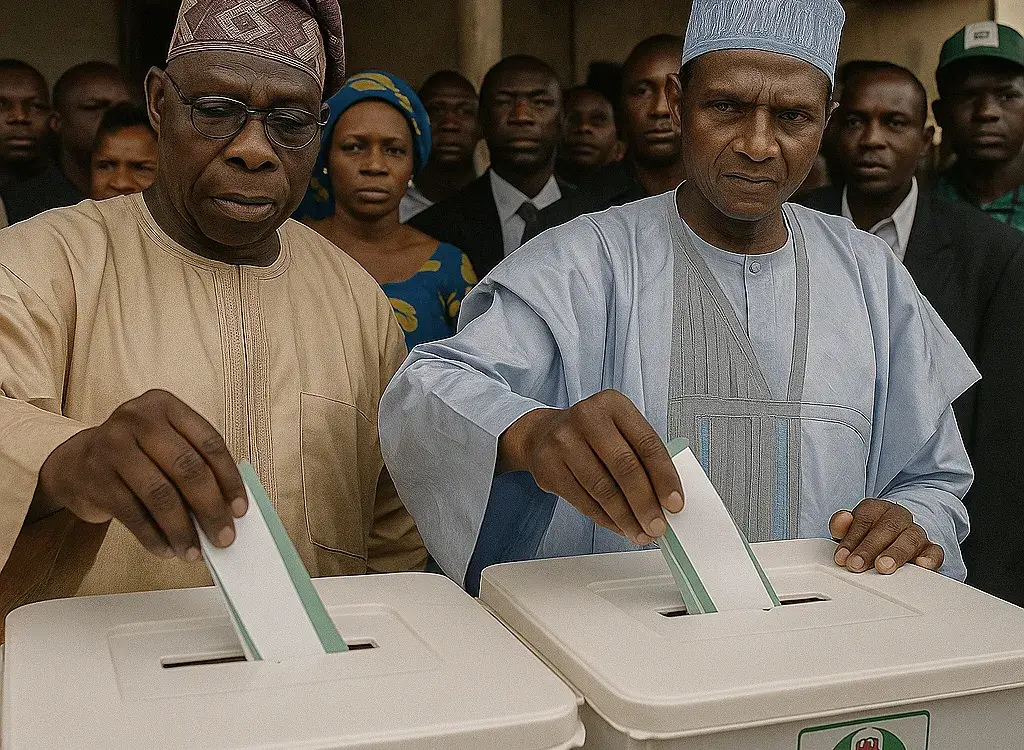
With the return to civilian rule in 1999, Nigerians dared to believe change had come. But the Fourth Republic became notorious for “do-or-die” politics. Marked by widespread rigging, voter intimidation, and ballot snatching. Even Yar’Adua himself admitted that the 2007 election that brought him to power was deeply flawed. Though considered an improvement, post-election violence claimed over 800 lives in Northern Nigeria, showing how fragile public trust remained. Nigeria witnessed its first peaceful transfer of power from PDP to APC, a positive milestone. But hopes for electoral reform faded quickly as systemic problems, opaque funding, vote buying, and political thuggery, persisted.
2019 & 2023
The Present Crisis of Confidence
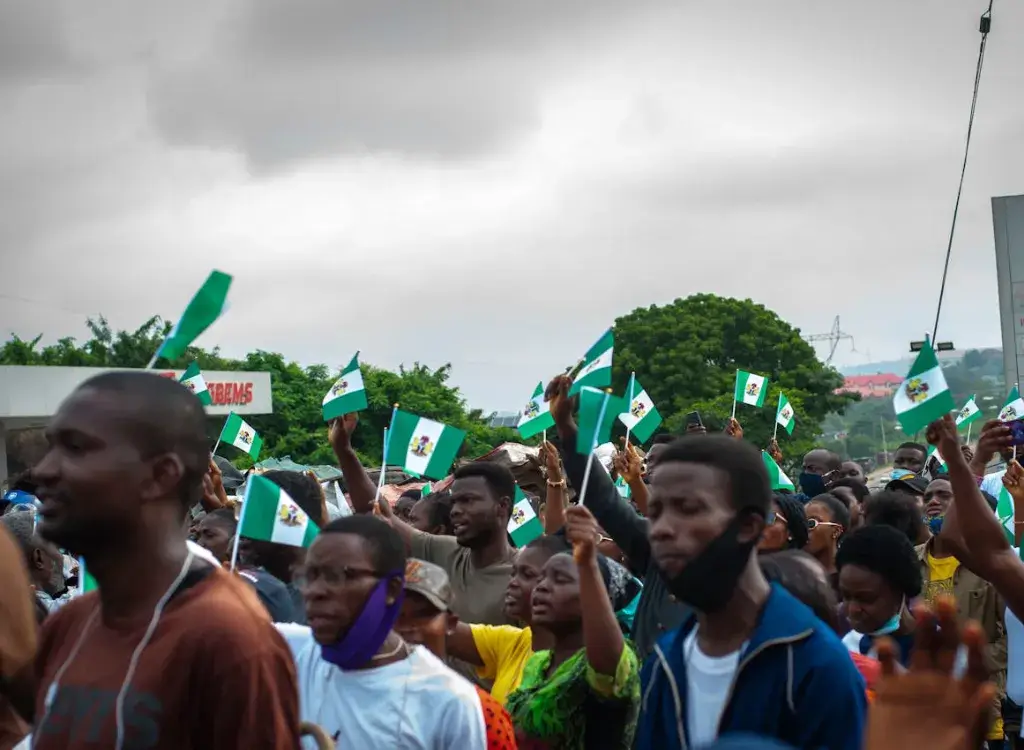
Accusations of vote buying, manipulation of collation processes, and judicial compromises left Nigerians doubting the credibility of outcomes. 2023 Elections, Promoted as “technology-driven” with innovations like BVAS and IReV, many Nigerians hoped for a breakthrough. Instead, failures in result transmission, technical glitches, and widespread reports of voter suppression in key states shattered public confidence once again. The result? Deepened disillusionment and a growing sense that elections in Nigeria are designed to serve the powerful, not the people.